Last updated:
Anguilla Visa Entry for Most Travelers
Good news: you likely do not need a visa to enter Anguilla. This British overseas territory grants visa-free entry to many nationalities. Most visitors from the United States, Canada, United Kingdom, and European Union countries get automatic entry. Citizens of Australia and New Zealand also receive visa-free access. Your Anguilla visa entry process is simple and straightforward.
Upon arrival, immigration officials grant you permission to stay. The length of stay depends on your nationality and purpose. Most tourists receive 30 days automatically. Some nationalities may get up to 60 days. Business travelers sometimes receive shorter periods. You do not need to apply in advance or visit an embassy. Simply arrive with the right documents and present them at immigration.
Anguilla is a small island with a population of just 16,000 people. The local government keeps entry processes simple and welcoming. They want visitors to experience the island easily. Tourism drives the local economy significantly. Authorities process tourists quickly at Clayton J. Lloyd International Airport.
Anguilla Visa Requirements by Nationality
Your nationality determines whether you need advance permission. Citizens from most Western nations enjoy visa-free entry. This includes the entire United States, Canada, Australia, and New Zealand. All European Union members have visa-free access. British citizens enter without restrictions since Anguilla is a British overseas territory.
Citizens from Caribbean Community (CARICOM) nations also get visa-free entry. This covers countries like Jamaica, Trinidad and Tobago, and Barbados. South African citizens receive visa-free access as well. Citizens from most developed nations need no advance paperwork.
However, citizens from certain countries may need a visa. Countries with limited diplomatic relations might require advance documentation. Your best approach is checking with the Anguilla Tourist Board. You can contact them before your trip to confirm your status. Do not assume your country is visa-free without verification. The rules can change, and misinformation spreads online.
If your country requires a visa, apply at the nearest British embassy or consulate. Anguilla does not maintain independent embassies worldwide. British diplomatic missions handle visa applications. The process typically takes two to four weeks. Submit your application well in advance of your travel dates.
PRO TIP: Contact the Anguilla Tourist Board online before booking flights. Confirm your exact entry requirements based on your passport. This takes five minutes and prevents costly travel mistakes.
Entry Documents You Need
Your passport is the most important document for Anguilla visa entry. It must be valid for at least six months beyond your intended departure date. Immigration officers check this requirement strictly. A passport expiring soon may cause entry denial. Renew your passport before traveling if it expires within six months.
Some nationalities need a return or onward ticket. You must prove you plan to leave the island. Book your return flight before arrival. Airlines require this for check-in anyway. You might show a digital booking confirmation or printed ticket. Keep this document easily accessible at the airport.
Proof of accommodation helps immigration officers. Show your hotel booking confirmation or Airbnb reservation. If staying with friends or family, bring a letter of invitation. Include their address and contact information. Immigration wants to verify you have lodging arranged.
Sufficient funds demonstrate you can support yourself during your stay. Bring bank statements, credit cards, or traveler's checks. Immigration rarely asks, but having proof protects you. Budget roughly $100 to $150 per day for accommodation and food. Anguilla is moderately expensive for Caribbean travel.
Travel insurance is strongly recommended, though not officially required. It covers medical emergencies and trip cancellations. Get a policy before departure. Carry your insurance documentation and policy number. Medical care on the island can be expensive.
Vaccination certificates are not required for entry. Anguilla does not demand proof of COVID-19 vaccination or yellow fever shots. Check current health requirements before travel, as policies change. Consult the Centers for Disease Control website for updated recommendations.
Customs Rules in Anguilla

Customs regulations apply when you enter the island. You may bring personal belongings duty-free. This includes clothing, toiletries, and electronics for personal use. You cannot import commercial quantities of goods. Authorities define duty-free items strictly.
Alcohol and tobacco have specific limits. You can bring one liter of spirits and 200 cigarettes. Exceeding these amounts incurs duties and taxes. Local rum is available at duty-free shops after arrival. Buying rum at the airport is cheaper than importing it.
Fresh fruits, vegetables, and meats are restricted. Local agriculture needs protection from outside diseases and pests. Do not pack fresh produce in your luggage. However, processed foods are generally permitted. Bring packaged snacks and canned goods without worry.
Prescription medications need original pharmacy labels. Keep medications in their original containers with your name. Bring a copy of your prescription or doctor's letter. Illegal drugs result in serious criminal penalties. Penalties include lengthy prison sentences and substantial fines. Do not attempt to import any controlled substances.
Firearms and ammunition are strictly prohibited. Violating this law results in immediate arrest. Do not pack weapons of any kind, including pocket knives. Penalties are severe and strictly enforced.
Certain animals cannot enter the island. Check with the Department of Agriculture before bringing pets. Birds, reptiles, and exotic animals face strict quarantine rules. Most travelers leave their pets at home. If bringing a dog or cat, arrange documentation and quarantine in advance.
PRO TIP: Pack medications in original containers with pharmacy labels clearly visible. This prevents customs delays and potential confiscation. Keep prescriptions and medical letters in your carry-on bag.
Is Anguilla Safe To Visit
Anguilla is one of the safest Caribbean islands for tourists. The crime rate remains low compared to neighboring islands. Violent crime rarely affects visitors in tourist areas. The island is known for hospitality and friendliness. Locals actively work to maintain Anguilla's safe reputation.
Tourist areas like The Valley, Sandy Ground, and Meads Bay are very safe. These neighborhoods have regular police presence. Hotels and resorts maintain good security. Walk around during daylight without excessive concern. Petty theft happens occasionally, so use normal precautions.
Avoid walking alone late at night in unfamiliar areas. Stay in well-lit, populated neighborhoods after dark. Keep valuables out of sight in your room. Use hotel safes for passports and extra cash. Lock your rental car and do not leave belongings inside.
Roads can be challenging for unfamiliar drivers. Drive on the left side, British style. Roads are narrow and winding in some areas. Speed limits are low. Take time learning the roads before exploring remote areas. Rent a car from established companies like Avis or Hertz.
Natural hazards include strong ocean currents and sea urchins. Always swim at designated beaches with lifeguards. Ask locals about current conditions before entering the water. Wear reef shoes to protect feet from sharp coral and sea urchins. Hurricane season runs June through November, with peak activity in September and October.
Medical facilities are adequate but limited. The Princess Alexandra Hospital in The Valley is the main facility. Private clinics handle routine medical needs. For serious emergencies, medical evacuation to Puerto Rico may be necessary. Travel insurance is essential for comprehensive health coverage.
Health Requirements

No vaccinations are officially required for entry to Anguilla. However, the Centers for Disease Control recommends certain vaccines. Consult your doctor at least four to six weeks before travel. Discuss your specific travel plans and health history.
Routine vaccinations should be current before any international travel. This includes measles, mumps, rubella, and tetanus. These protect you from diseases everywhere. Make sure your routine immunizations are up to date.
Hepatitis A vaccination is recommended. This disease spreads through contaminated food and water. Anguilla has excellent sanitation, but vaccination provides extra protection. The vaccine requires two doses given six months apart.
Hepatitis B vaccination is advised for some travelers. This protects against bloodborne infections. Healthcare workers and those with multiple partners should consider this vaccine. The series requires three doses given over six months.
Dengue fever, Zika virus, and Chikungunya occur in the Caribbean. No vaccines prevent these diseases. Prevent transmission by avoiding mosquito bites. Use insect repellent containing DEET. Wear long sleeves and pants during dawn and dusk when mosquitoes are active.
Malaria does not occur in Anguilla. You do not need antimalarial medication. Tap water is safe to drink throughout the island. The island has excellent water treatment facilities. Bottled water is available everywhere but unnecessary.
Bring an adequate supply of any prescription medications. Pharmacies on the island stock common medications but may lack specialty items. Medications might be expensive or unavailable. Pack extra medication in your carry-on luggage.
Travel Insurance for Anguilla
Travel insurance is strongly recommended but not required. It protects you from unexpected medical, travel, and baggage issues. Good policies cover emergency medical evacuation. This is crucial since serious cases require transport to Puerto Rico. Evacuation costs can exceed $10,000 without insurance.
Choose a policy covering trip cancellation and delays. This reimburses prepaid costs if you cancel before departure. Coverage extends to airline delays and missed connections. Read policy details carefully about what triggers reimbursement.
Medical coverage should include emergency dental care. Dental emergencies happen unexpectedly during vacations. Coverage limits vary widely between policies. Select a plan with at least $100,000 in medical coverage.
Baggage coverage protects lost or delayed luggage. Airlines reimburse limited amounts for lost bags. Travel insurance covers the gap. Coverage includes contents and baggage delay expenses. You receive daily amounts if your bag arrives late.
Adventure activities need specific coverage. If you plan scuba diving, ensure your policy covers diving. Basic policies exclude adventure sports. Many divers receive injuries requiring evacuation. Specialized adventure policies provide essential protection.
Purchase insurance when booking your trip. Waiting until after booking reduces coverage or increases cost. Most policies exclude pre-existing medical conditions if purchased late. Compare quotes from multiple providers. Read reviews and check company ratings before purchasing.
PRO TIP: Buy travel insurance immediately after booking your flights. Purchasing early maximizes coverage for pre-existing conditions. It costs less than buying just before departure.
Frequently Asked Questions
Do I Need a Visa To Visit Anguilla?
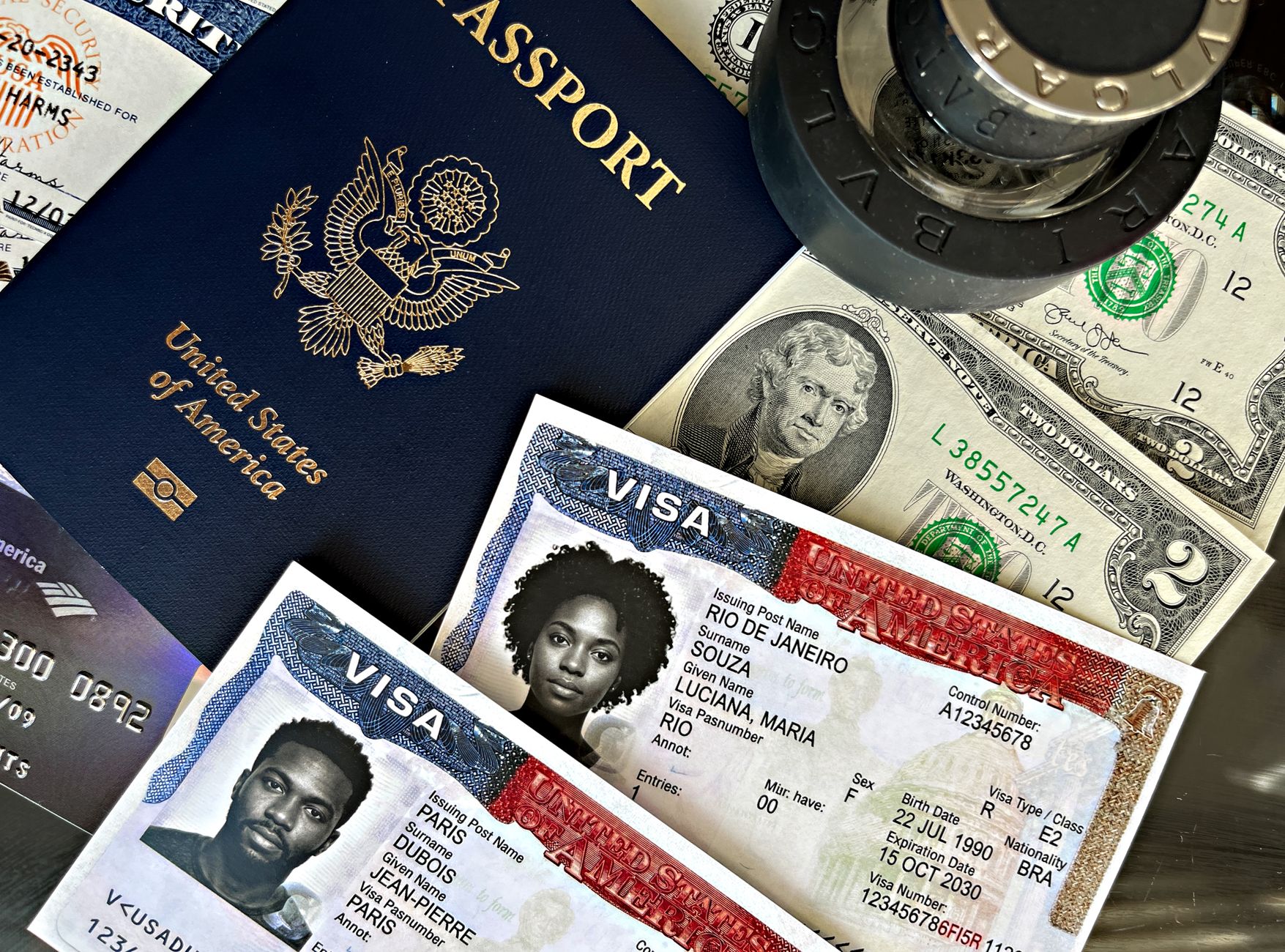
Most visitors do not need a visa for Anguilla. Citizens of the United States, Canada, United Kingdom, European Union, Australia, and New Zealand receive automatic entry. You receive permission to stay upon arrival without advance paperwork. Check your specific nationality with the Anguilla Tourist Board. Your passport must be valid for at least six months beyond your departure date. If your country requires a visa, apply at the nearest British embassy or consulate well in advance.
What Documents Do I Need at the Airport?
Bring your valid passport with at least six months remaining validity. You need proof of return or onward travel, such as a return flight booking. Show accommodation confirmation like a hotel or Airbnb reservation. Have travel insurance documentation available. Bank statements or credit cards demonstrate sufficient funds. Keep medications in original labeled containers. Keep these documents easily accessible, not buried in luggage. Immigration officers may request any of these items during entry processing.
Can I Bring Fresh Food and Alcohol Into Anguilla?
Fresh produce, meats, and dairy products are prohibited. You can bring one liter of spirits and 200 cigarettes duty-free. Processed foods and canned goods are permitted. Purchase fresh groceries locally at supermarkets and farmers markets. Anguilla has good availability of imported goods. Local rum and spirits are sold duty-free at the airport shop. Exceeding alcohol limits results in duties and taxes on excess amounts.
Is Anguilla Safe for Solo Travelers?
Yes, Anguilla is considered one of the safest Caribbean destinations. Violent crime rarely affects tourists in established resort areas. Solo travelers should use basic precautions like staying aware of surroundings. Avoid isolated areas late at night. Tell your hotel staff where you are going daily. Use registered taxis or rental cars from established companies. The island has good police presence in tourist areas. Locals are generally friendly and helpful to visitors.
When Is the Best Time To Visit Anguilla Regarding Weather and Entry?
December through April offers the best weather with pleasant temperatures around 27.8°C. This dry season has lower hurricane risk. Expect more tourists during these months, especially December and January. June through November is hurricane season with increased rainfall and rough seas. Entry requirements do not change seasonally. Travel insurance becomes more important during hurricane season due to travel disruptions. Book accommodations well in advance for December through February visits.