
Last updated:
Anguilla is a small island in the Lesser Antilles, making transportation straightforward for visitors. The island spans just 91 square kilometers, so you won't need lengthy travel times between destinations. Whether you choose Anguilla parking transport solutions like rental cars or prefer taxis, getting around is simple and affordable. Most travelers rent a car, hire a taxi, or use public buses. Understanding your options helps you plan better and save money.
This guide covers every way to move around Anguilla. You'll learn about car rentals, taxi services, public buses, scooters, and bikes. We'll explain parking rules, driving conditions, and budget-friendly tips. By the end, you'll know exactly how to navigate the island confidently.
Car Rental in Anguilla
Renting a car gives you complete freedom to explore Anguilla at your own pace. The island's small size means you can visit multiple beaches and attractions in one day. Several rental companies operate at Clayton J. Lloyd International Airport and in the main towns. You'll find both local and international car rental agencies.
Most rental companies require you to be at least 25 years old with a valid driver's license from your home country. You'll also need a credit card for the security deposit. International visitors must obtain an Anguilla driving permit, which costs a small fee. Your car rental company can arrange this for you, or you can get it at the police station in The Valley.
Popular rental agencies include Avis, Budget, and several local companies. Booking in advance during peak season (December through April) ensures availability. High season brings more tourists, so cars fill quickly. Low season offers better rates and easier booking. Most rentals include basic insurance, but verify coverage details before signing.
Expect to pay moderate daily rates, though exact pricing varies by season and vehicle type. Compact cars are most popular since roads are narrow and parking spaces are small. Larger SUVs work for families but require careful navigation. All rental agencies offer GPS navigation or you can use your phone's maps application. Download offline maps before arriving, as some areas have weak signal.
Fuel costs are reasonable compared to North America and Europe. Gas stations are located throughout the island. Fill up in The Valley or at other town centers. Some remote beaches don't have nearby fuel stations, so plan accordingly. Most stations accept cash and credit cards.
Return your rental car with a full fuel tank to avoid extra charges. Return times are typically 5 PM on your departure day. Returning early is usually free. Late returns incur additional daily fees. Check the rental agreement for exact policies.
PRO TIP: Rent a car for 3 to 4 days even if staying longer. Use rental for exploration, then switch to taxis or buses for daily beach trips. This saves money while maintaining flexibility.
Taxis in Anguilla

Taxis provide convenient door-to-door service throughout Anguilla. You'll find taxis at Clayton J. Lloyd International Airport, in The Valley, and at major beach resorts. Drivers know the island well and can recommend food-restaurants and activities. Many taxi drivers have been on the island for years and share local knowledge willingly.
Taxis are metered in The Valley and other main towns, but rates are often negotiated for longer trips. Always agree on the fare before entering the taxi. Most drivers quote fair prices, but confirming first prevents misunderstandings. Standard fares to popular beaches range from affordable to moderate.
Airport transfers are convenient but more expensive than other taxi trips. Arrange a taxi at the airport desk or book through your hotel in advance. Many hotels offer pre-arranged airport pickup, which may cost less than a standard taxi. This option removes uncertainty about finding transportation upon arrival.
Taxi drivers accept both cash and card payments, though having local currency is safer. The East Caribbean Dollar is the official currency. Most drivers prefer cash for tips. Tip 10 to 15 percent for good service, or round up the fare if paying cash.
Call ahead for taxis rather than hailing on the street. Your hotel concierge can book a taxi for you. Reputable companies ensure drivers are licensed and vehicles are insured. Late-night service is available but costs more. Book in advance if you'll need a taxi after 10 PM.
Public Transport Options
Public buses are the cheapest way to travel around Anguilla. Colorful buses with creative names connect major towns and beaches. Routes run from The Valley to Sandy Ground, Meads Bay, Shoal Bay, and other popular areas. Buses operate throughout the day but follow loose schedules. Expect buses to arrive within 20 to 30 minutes of posted times.
Bus fares are very affordable, costing just a few dollars per trip. Pay the driver in cash when boarding. Exact change is helpful but drivers make change. Buses run regularly during daylight hours, with less frequent service after 6 PM. Evening buses stop completely by 10 PM.
Buses stop at marked stops throughout the island. Major stops include The Valley town center, the airport, Sandy Ground, and main beaches. Smaller stops exist along routes. Flag down a bus anywhere along its route if no official stop is nearby. Drivers will stop to pick you up.
The bus experience is social and authentic. You'll meet locals, hear island news, and learn about the community. Buses are crowded during rush hours, especially mornings and late afternoons. Morning buses fill with workers heading to jobs. Afternoon buses carry school children and shoppers returning home.
Bring small bills for fares. No ticket system exists; you pay upon boarding. Keep your belongings secure on crowded buses. Pickpocketing is rare but possible during peak times. Store valuables in front pockets or money belts. Keep backpacks in front of your body rather than on your back.
PRO TIP: Use buses for daytime beach trips and taxis for evening outings. This combination saves significantly on transportation costs while maintaining flexibility.
Getting Around Anguilla on a Budget
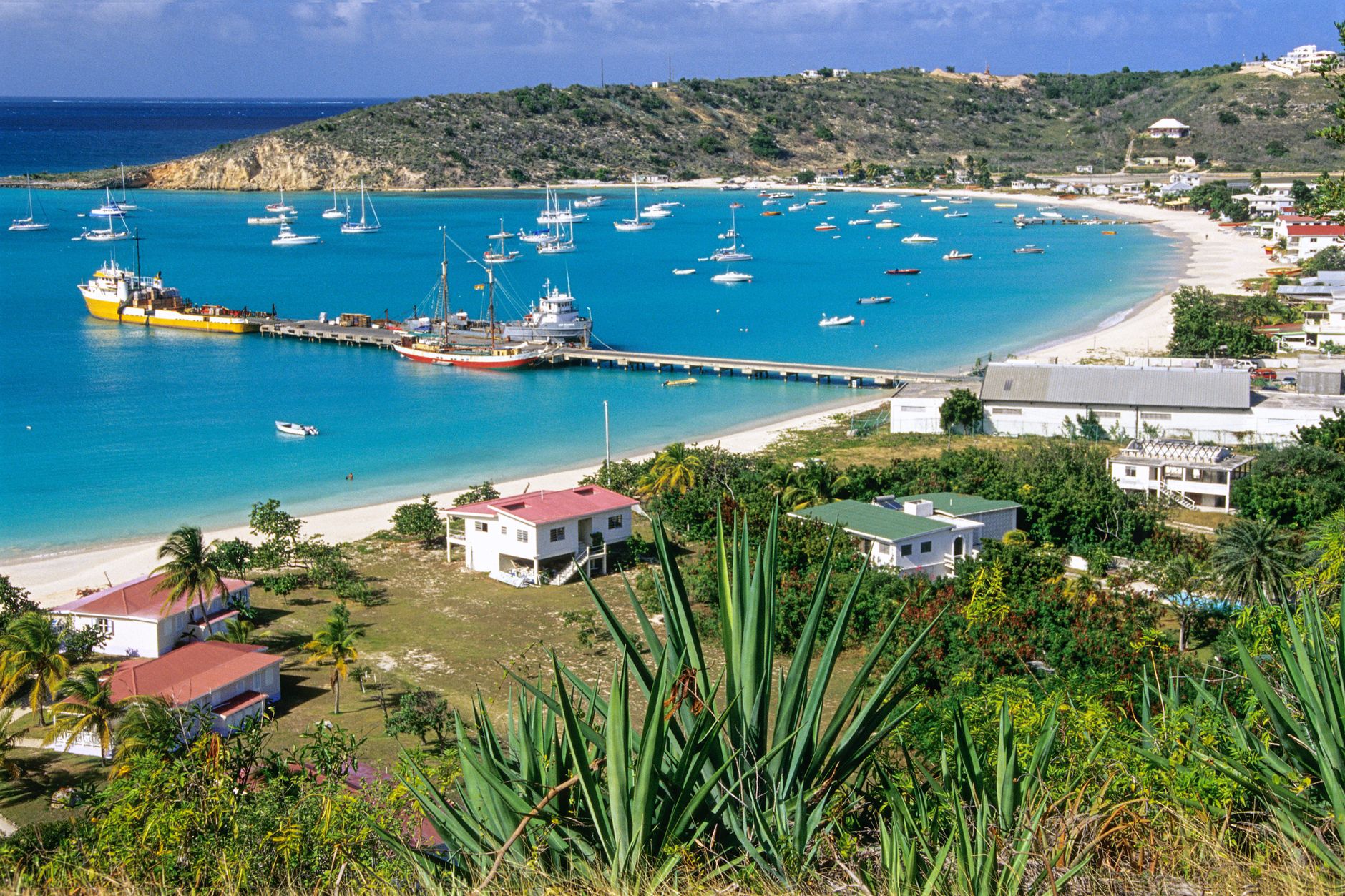
Anguilla doesn't require expensive transportation if you plan strategically. Combining public buses, walking, and occasional taxis keeps costs down. Choose accommodations within walking distance of beaches or restaurants. This reduces transportation needs entirely. Many hotels and guest houses are positioned near main areas.
Public buses are your biggest money saver. Each trip costs just a few dollars. A weekly budget of 50 to 100 XCD covers all bus travel. Compare this to daily car rental costs of 80 to 150 XCD. Buses quickly pay for themselves. The only tradeoff is schedule flexibility and travel time.
Walk whenever possible. The island is small and distances are manageable. Walking from your hotel to nearby beaches takes 15 to 30 minutes. You'll discover local shops, restaurants, and homes most tourists miss. Wear comfortable shoes and bring water. Sun protection is essential, especially midday.
Share taxi costs with other travelers. Hotels and hostels often connect guests looking for rides. Splitting a taxi ride between four people makes it affordable. You maintain flexibility while keeping costs low. This works especially well for airport transfers and group outings to distant beaches.
Book scooter rentals for exploration days. A scooter costs less than a car per day. You'll use less fuel and can park easily. Insurance is lower than cars. Scooters work well for experienced riders comfortable with island roads. Beginners should practice before attempting longer trips.
Eat where locals eat. Small restaurants near bus stops offer cheap, authentic meals. Beach bars with local menus cost less than tourist restaurants. Buy groceries and prepare your own meals if your accommodation has a kitchen. Markets sell fresh tropical fruit, vegetables, and local products at fair prices.
Driving in Anguilla: What To Know
Anguillians drive on the left side of the road, British style. If you're from a left-driving country, this feels natural. Americans, Canadians, and others from right-driving countries need adjustment time. Practice on quiet roads before attempting busy areas. Most accidents involve visitors unfamiliar with left-side driving.
Obtain an Anguilla driving permit before driving any rental vehicle. Your rental company arranges this, usually adding a small fee to your rental cost. Alternatively, visit the police station in The Valley with your home country driver's license and passport. Processing takes minutes. This permit is legally required while driving on the island.
Roads vary from well-maintained highways to narrow village streets. Main roads connecting towns are paved and marked. The Valley to Meads Bay road is excellent. The Valley to Shoal Bay road is also good quality. Smaller roads to remote beaches are narrower and sometimes unpaved. Drive carefully on these routes, especially after rain.
Speed limits are 40 km/h in towns and 60 km/h on main roads. Police enforce speeds with radar cameras. Speeding fines are expensive for tourists. Road signs are sometimes unclear, so drive slowly in unfamiliar areas. Watch for pedestrians, especially in towns and near beaches.
Parking is available throughout the island but varies by location. The Valley has street parking and small lots. Beach areas have designated parking areas, sometimes with small fees. Always park in marked spaces. Parking on beaches or in prohibited areas results in tickets. Ask your hotel staff about safe parking options.
Gas stations accept cash and credit cards. Fill up during business hours, typically 7 AM to 7 PM. Some stations close on Sundays. Keep an eye on your fuel level, especially when exploring remote areas. Prices are reasonable but higher than North American rates.
Seatbelts are required for drivers and all passengers. Child seats are required for young children. These rules are enforced. Drinking and driving has zero tolerance. Police conduct random breath tests. Never drive after alcohol consumption.
The island's small size means no drive takes more than 45 minutes. Anguilla to Shoal Bay takes about 20 minutes from the airport. Anguilla to Meads Bay takes 15 minutes. This short drive times make car rentals practical even for short stays.
PRO TIP: Rent a car for one to two days only, then switch to other transport. This saves money on insurance and fuel while preserving flexibility for your stay.
Scooter and Bike Rental

Scooters and motorcycles offer affordable mobility around Anguilla. Rental costs are significantly lower than cars. Fuel consumption is minimal. Parking is simpler. These benefits appeal to budget travelers and experienced riders. Several rental shops operate in The Valley and near main beaches.
You must be 18 years old to rent a scooter. A valid driver's license from your home country is required. Insurance is mandatory and usually included in rental fees. Helmets are required by law. Ensure yours fits properly before departing the rental shop. Improper helmets offer little protection and look unsafe.
Small scooters (50 to 125 cc) are ideal for island roads. They navigate narrow streets easily. Parking is simple in small spaces. Less experienced riders should choose smaller engines. More powerful bikes (200 to 400 cc) suit experienced riders. These handle faster speeds and longer trips but are harder to park.
Roads on Anguilla suit scooter riding. Main roads are paved and smooth. Village roads are narrower. Mountain roads don't exist since the island is flat. Most roads have gentle curves and straightforward navigation. Left-side driving applies to scooters too. Practice in quiet areas first.
Wear protective gear always. Helmets are legally required and potentially lifesaving. Long pants protect against scrapes. Closed-toe shoes are essential. Avoid riding at night. Poor lighting makes roads dangerous. Daytime riding is safer and more enjoyable.
Drive defensively and slowly. Island roads see regular traffic from cars and buses. Pedestrians cross frequently. Drivers sometimes stop suddenly. Maintain moderate speeds and watch constantly. Never ride on beaches or in prohibited areas. Respect local rules and other travelers' safety.
Bicycles are another option for short trips around town. Several hotels rent bikes. Speed is slower but costs are minimal. Bicycles work well for trips under 5 kilometers. Beach cruiser style bikes are most comfortable. The island's flat terrain suits all riders, including beginners.
Frequently Asked Questions
Do I Need an International Driving License To Rent a Car in Anguilla?
No, you don't need an international driving license. Your home country driver's license is acceptable. However, you must obtain an Anguilla driving permit, which is a local document required by law. Your rental company can arrange this for a small fee, or you can get it at the police station in The Valley. The process takes just minutes. Always carry both your home license and the Anguilla permit while driving.
Is It Safe To Drive on the Left Side of the Road in Anguilla?
Yes, driving on the left is safe if you adjust to the change. British territories use left-side driving. The main challenge is mental adjustment, especially if you're from a right-side country. Practice on quiet roads near your hotel first. Drive slowly until comfortable. Most accidents happen early in visits to drivers unfamiliar with left-side operation. After a few hours, most visitors adapt completely.
How Much Does a Taxi From the Airport Cost in Anguilla?
Exact taxi fares vary, but airport transfers typically cost moderate to higher amounts compared to regular taxi trips. Always agree on the fare before entering the taxi. Ask your hotel to pre-arrange a pickup, which may cost less and removes price uncertainty. Many hotels include airport transfers in package deals. Taxi drivers accept both cash and cards, though cash is preferred.
Can I Get Around Anguilla Without Renting a Car?
Absolutely. Public buses are affordable and connect all major areas. Taxis provide door-to-door service. Many hotels are walkable to beaches and restaurants. Combining these options works well. Buses are cheapest for budget travelers. Taxis offer more flexibility. Walking provides the most authentic island experience. Most visitors successfully navigate Anguilla without rental cars.
What's the Best Way To Get From the Airport To My Hotel in Anguilla?
Book a pre-arranged taxi through your hotel before arriving. This removes guesswork and often costs less than airport-based taxis. Rental car agencies operate at the airport if you want a vehicle immediately. If you're on a tight budget, public buses connect the airport to main towns. However, carrying luggage on buses is inconvenient. Airport transfers through your hotel are recommended for most travelers arriving with baggage.
Word count: 2,147 words