Last updated:
Your Anguilla Vacation Planning Starts Here
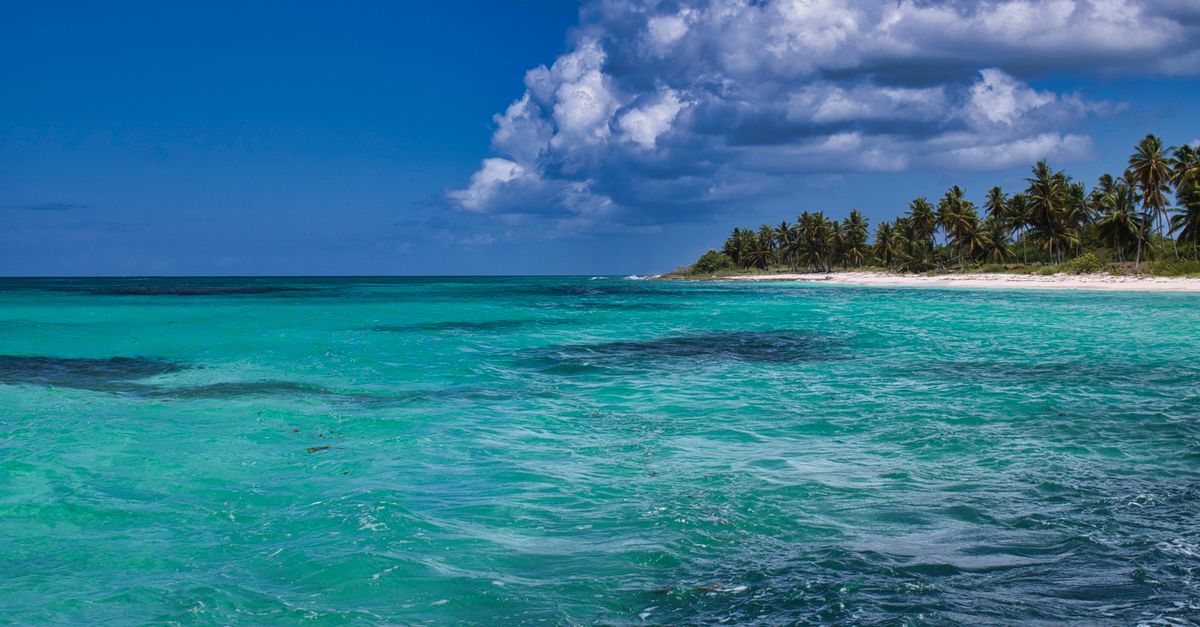
Anguilla sits in the Lesser Antilles as a British overseas territory offering world-class beaches and excellent diving. Your Anguilla vacation planning begins with understanding what makes this island unique. Unlike crowded Caribbean destinations, Anguilla remains peaceful and uncrowded. The island measures just 91 square kilometers with a population of 16,000. English speakers find communication easy here. The East Caribbean dollar is the official currency.
Getting there is straightforward through Clayton J. Lloyd International Airport. Most visitors need no visa to enter. The island welcomes families, couples, budget travelers, and first-time visitors equally well. You can plan a quick three-day trip or a full week of exploration. The best travel months run from December through April when weather stays perfect. Temperature hovers around 27.8°C year-round, making packing simple.
How Many Days Do You Need in Anguilla

Three days gives you a solid introduction to Anguilla's best beaches and restaurants. You can explore Shoal Bay East, try a water sport, and enjoy local cuisine. Four to five days lets you experience multiple beaches and take a scuba diving excursion. You can also visit nearby islands like St. Martin on a day trip. Seven days allows you to fully relax and explore everything the island offers. You can spend time on different beaches each day. Extended stays of ten to fourteen days suit serious divers and beach lovers.
First-time visitors should plan at least four days to experience the highlights. Three days feels rushed but possible for weekend trips. Families benefit from five to seven days to settle into island time. Couples often prefer seven days for relaxation without feeling pressured. Budget travelers can maximize experiences in four days by focusing on free beaches and affordable dining spots. The island's small size means you never travel more than 30 minutes between locations.
PRO TIP: Book your accommodation near Shoal Bay East or Meads Bay for easy access to the island's two best beaches. This saves travel time and lets you maximize beach hours.
7-Day Anguilla Itinerary
Day 1: Arrival and Shoal Bay East
Arrive at Clayton J. Lloyd International Airport and collect your rental car or book a taxi. Head directly to Shoal Bay East for your first beach experience. This beach consistently ranks among the Caribbean's best. The water here is calm, clear, and perfect for swimming. Stay until sunset and explore the beachfront restaurants. Try a local fish cakes appetizer at one of the casual beach shacks. Spend your first night in the Shoal Bay area.
Day 2: Water Sports and Meads Bay
Book a morning paddleboarding or snorkeling tour along the north coast. Many operators pick up guests from hotels and provide all equipment. Return for lunch at a beachfront restaurant. Spend the afternoon at Meads Bay, known for calm waters and fine sand. This beach appeals especially to families with young children. The water stays shallow and warm. Watch the sunset from here while enjoying dinner at one of the nearby restaurants.
Day 3: Scuba Diving Adventure
Reserve a scuba diving excursion if you're certified, or take a discover course. Anguilla offers excellent diving with shipwrecks and coral reefs. The visibility typically reaches 60 to 100 feet. Experienced operators include Anguilla Divers and Scuba Shack. Spend your afternoon resting and recovering from diving. Enjoy a casual dinner in The Valley, the island's main town.
Day 4: Island Hopping to St. Martin
Take a ferry or private boat to nearby St. Martin for a day trip. The journey takes about 20 minutes by ferry. Explore Marigot, the French side's charming capital. Browse local markets and shops selling French goods. Enjoy lunch at a local bistro or grab fresh seafood. Return to Anguilla by evening and relax at your accommodation.
PRO TIP: Book your St. Martin ferry in advance during peak season. Departures fill quickly from December through March. Most hotels can arrange ferry tickets for you.
Day 5: Beach Hopping and Local Culture
Visit quieter beaches like Little Bay and Limestone Bay on the east coast. These beaches remain less crowded than Shoal Bay. Bring snorkel gear to explore shallow reefs. Stop at a local restaurant for lunch featuring fresh conch salad or lobster. Spend time in The Valley exploring local shops and galleries. Learn about Anguillian culture through conversations with locals.
Day 6: Relaxation and Water Activities
Choose your favorite beach from the previous days and return for a full day of relaxation. Alternatively, try kitesurfing at Junks Hole or Windsurfing at Scrub Island if conditions allow. Both activities require advance booking. Enjoy a spa treatment at your hotel if available. Have dinner at a fine dining restaurant to celebrate your trip's midpoint.
Day 7: Final Beach Day and Departure
Spend your last morning at your favorite beach making final memories. Pack your bags and arrange transportation to the airport. Depart on your evening or next-morning flight. Purchase any last-minute souvenirs at the airport gift shops.
3-Day Anguilla Itinerary

Day 1: Arrival and Shoal Bay East Beach
Arrive at Clayton J. Lloyd International Airport and head straight to Shoal Bay East. This is Anguilla's most famous beach and absolutely worth your time. Swim, relax on the sand, and enjoy fresh fish at beachfront restaurants. Watch the sunset from the beach. This focused approach maximizes your first day experience without wasting time on transfers.
Day 2: Water Sports and Meads Bay
Book a morning snorkeling tour or paddleboard adventure. Many tours depart from Shoal Bay and include equipment and guide services. Return for lunch and head to Meads Bay for the afternoon. This beach offers different character from Shoal Bay with a more laid-back vibe. Enjoy dinner at a casual beachfront spot. Try local specialties like johnny cakes or peas and rice.
Day 3: Relaxation and Departure
Spend your morning at a quiet beach like Cupecoy or Island Harbour. These spots work well for budget travelers since they have no entry fees. Pack a picnic lunch from a local grocery store. Return to your accommodation, pack your bags, and head to the airport. Purchase souvenirs at the airport if desired before departure.
Anguilla Travel Budget Guide
Accommodation Costs
Budget hotels and guesthouses range from affordable to mid-range prices depending on season. Beachfront resorts command premium prices. Off-season travel from May to November costs significantly less than peak season December through April. Vacation rentals through platforms like Airbnb offer family-friendly options. Book accommodations in advance during peak season to secure better rates.
Food and Dining
Beach shack meals cost less than sit-down restaurants but offer authentic local cuisine. A fresh fish plate at a casual spot runs reasonable. Fine dining restaurants near Meads Bay and Shoal Bay charge premium prices. Grocery stores sell supplies for picnics and self-catering meals. Local food markets offer fresh produce and prepared items at fair prices. Street food and casual eateries provide best value for budget travelers.
Activities and Experiences
Many beaches are free to visit and enjoy. Scuba diving courses cost more but represent memorable experiences. Snorkeling tours run moderate costs and include equipment. Water sports like paddleboarding and windsurfing require advance booking. Ferry trips to St. Martin cost under 100 XCD for round-trip tickets. Rental cars provide flexibility for self-guided exploration but add daily costs. Public transportation via minibuses costs minimal amounts per trip.
Daily Budget Breakdown
Budget travelers can visit Anguilla on approximately 100 to 150 XCD daily by eating at local spots and using free beaches. Mid-range travelers spending 200 to 300 XCD daily enjoy comfortable accommodations and restaurant dining. Luxury travelers should budget 400+ XCD daily for resort accommodations and fine dining experiences. These estimates exclude airfare and cover food, accommodation, and activities only.
PRO TIP: Visit Anguilla during shoulder season in April or November for excellent weather and lower prices. You'll avoid peak season crowds while enjoying perfect conditions.
Best Time To Book Your Anguilla Trip

Peak Season: December through March
Peak season runs from December through March when Northern Hemisphere temperatures drop. Anguilla's weather remains perfect during these months at 27.8°C. Hotels fill quickly and prices reach their highest. Book accommodations three to six months in advance for peak season travel. Flight prices also increase substantially. The island experiences minimal rainfall during peak season. Crowds are heaviest during Christmas and New Year holidays.
Shoulder Season: April and November
April and November offer excellent weather at lower prices than peak season. The island experiences occasional rain but mostly sunny days. Temperatures remain warm and comfortable. Hotels offer discounted rates and have better availability. Flights cost less than peak season prices. April marks the end of the official dry season. These months work perfectly for budget travelers and families.
Green Season: May through October
May through October brings hurricane season to the Caribbean, though Anguilla experiences fewer storms than other islands. Prices drop significantly during green season. Hotels offer substantial discounts. Fewer tourists visit during this period. The island remains beautiful and green from increased rainfall. Some restaurants and attractions may have limited hours. Many travelers avoid this season despite excellent value.
Booking Timeline
Book peak season travel six months in advance for best flight prices. Peak season accommodations require booking four to six months early. Shoulder season trips need booking two to three months ahead. Green season travel can book just one to two months in advance. Flexible travelers willing to visit on short notice can find last-minute deals. Set up flight price alerts three months before your desired travel dates.
Packing List for Anguilla
Clothing Essentials
- Lightweight cotton shirts and tank tops
- Shorts and casual pants for evenings
- One or two sundresses or casual outfits
- Lightweight sweater or cardigan for air conditioning
- Swimsuits (bring two to alternate drying)
- Casual shorts for beach days
- Comfortable walking sandals
- Water shoes for rocky beaches
- Flip-flops or beach sandals
- One outfit for casual dinner
- Undergarments for your trip length
- Socks are optional (rarely needed)
Sun and Beach Protection
- High SPF sunscreen (reef-safe formulas protect coral)
- After-sun aloe vera gel
- Wide-brimmed hat or baseball cap
- Sunglasses with UV protection
- Rash guard for extended water time
- Beach towel or sarong
- Waterproof beach bag
Health and Personal Care
- Prescription medications in original containers
- Over-the-counter pain relievers
- Anti-diarrheal medication
- Antihistamines for allergies
- Decongestant or cold medicine
- Insect repellent for mosquitoes
- Toothbrush and toothpaste
- Deodorant
- Shampoo and conditioner
- Feminine hygiene products if needed
- Razor and shaving cream
- Moisturizer and lip balm with SPF
Electronics and Documents
- Passport valid for at least six months
- Travel insurance documents
- Hotel confirmation emails or printouts
- Phone charger and cable
- Universal power adapter if needed
- Portable battery pack
- Camera or phone for photos
- Headphones
- Travel journal and pen
Optional but Helpful Items
- Snorkel gear if you have preferred equipment
- Waterproof phone case
- Dry bag for water activities
- Lightweight book or e-reader
- Small umbrella for passing showers
- Snacks from home if you have dietary restrictions
- Ziplock bags in various sizes
- Packing cubes for organization
PRO TIP: Pack reef-safe sunscreen to protect Anguilla's coral reefs. Many resorts and beaches encourage visitors to use environmentally conscious products. Oxybenzone and octinoxate harm coral ecosystems.
Frequently Asked Questions
Do I Need a Passport To Visit Anguilla?
Yes, you need a valid passport to enter Anguilla. Your passport should be valid for at least six months beyond your travel dates. British overseas territory entry rules apply, and most nationalities receive visa-free entry. Upon arrival, immigration officials may ask about your return flight, accommodation, or spending money. Keep your passport in a safe place throughout your trip. Consider making a photocopy as backup documentation. Passport processing takes several weeks, so apply well in advance of travel dates.
What Is the Best Time To Visit Anguilla?
December through April offers the best weather with perfect temperatures around 27.8°C and minimal rainfall. April provides excellent weather at lower prices than peak season months. These five months represent the dry season ideal for beach activities. November and April shoulder months offer good deals while maintaining great conditions. May through October sees occasional rain and hurricane season, but prices drop significantly. Most travelers prefer peak season despite higher costs and larger crowds. First-time visitors should target December through April for optimal experiences.
Is Anguilla Expensive for Vacations?
Anguilla costs more than some Caribbean islands but offers excellent value during shoulder seasons. Peak season December through March brings premium pricing for accommodations and flights. Budget travelers can spend 100 to 150 XCD daily using local restaurants and free beaches. Mid-range visitors should budget 200 to 300 XCD daily for comfortable experiences. Luxury travelers typically spend 400+ XCD daily. Green season from May to October offers the best value with significant discounts. Booking accommodations and flights in advance locks in better rates. Self-catering vacation rentals reduce food expenses compared to hotels.
What Beaches Should I Visit in Anguilla?
Shoal Bay East is Anguilla's most famous beach offering calm waters and excellent snorkeling. Meads Bay provides family-friendly conditions with shallow water and white sand. Little Bay and Limestone Bay appeal to quieter beach lovers. Island Harbour suits fishing enthusiasts and offers authentic local atmosphere. Junks Hole and Scrub Island attract water sports enthusiasts for kitesurfing and windsurfing. Captain's Bay works well for sunsets and calmer conditions. Cupecoy Beach offers a peaceful experience away from crowds. Each beach has different characteristics suited to various preferences and activities.
What Activities Can I Do in Anguilla Besides Beaches?
Scuba diving offers excellent experiences with shipwrecks and vibrant coral reefs visible. Snorkeling tours run regularly and include equipment for all skill levels. Island hopping ferries take visitors to St. Martin for day trips. Fine dining restaurants showcase fresh seafood and creative Caribbean cuisine. Water sports include paddleboarding, windsurfing, and kitesurfing. Local markets and galleries display Anguillian art and crafts. The Valley, the main town, offers shopping and cultural experiences. Sunset catamaran cruises combine water time with sailing experiences. Cultural events and festivals occur throughout the year celebrating local heritage.
Word count: 2,247 words