Last updated:
Anguilla Scuba Diving: an Island Overview
Anguilla scuba diving offers some of the Caribbean's finest underwater experiences. This small island in the Lesser Antilles sits at coordinates 18.2206, -63.0686. With only 16,000 residents, Anguilla maintains pristine reefs and calm waters. English is spoken throughout the island, making communication simple for visitors. The East Caribbean dollar is the currency, though many places accept US dollars.
The island covers 91 square kilometers but packs tremendous diving diversity. Clayton J. Lloyd International Airport welcomes divers year-round. Most nationalities enjoy visa-free entry to this British overseas territory. The underwater landscape features coral gardens, shipwrecks, and abundant marine life. Anguilla's commitment to marine conservation keeps its reefs healthy and vibrant. Visitors discover why serious divers return here repeatedly.
Best Dive Sites in Anguilla

Prickly Pear Cays stands as Anguilla's premier dive destination. These two small islands sit north of the main island and offer multiple sites. The reef slopes gently from 15 meters to 35 meters deep. Divers spot trumpetfish, angelfish, and parrotfish regularly. The coral formations here remain remarkably healthy and colorful.
Sandy Island provides excellent diving with shallow reefs perfect for all levels. The site features soft coral gardens and small rock formations. Visibility typically reaches 25 to 35 meters here. Snorkelers and beginner divers enjoy the shallow sections. More experienced divers explore the deeper walls and canyons beyond.
Scrub Island offers dramatic underwater topography near the eastern coast. Divers navigate through channels and around large boulders. The depth ranges from 10 to 40 meters. Small schools of jacks and snappers patrol the area. Turtles occasionally appear at this site during certain seasons.
Island Harbour reef sits conveniently close to the mainland village. This site works well for beginners and those with limited boat time. The reef starts at 5 meters and descends to 25 meters. Local fish species gather around the coral heads. Strong currents occasionally run through this area, challenging experienced divers.
Dog Island features a dramatic reef system with multiple dive options. The northwestern side has steep drop-offs and overhangs. The southeastern section offers gentler slopes and coral gardens. Depth ranges from 10 to 50 meters depending on your chosen route. Barracuda and large groupers inhabit the deeper sections.
PRO TIP: Book your dives for morning sessions when visibility is typically best. Afternoon winds can stir up sediment and reduce visibility. Most dive operators depart at 8 or 9 AM from main beaches.
Scuba Diving for Beginners in Anguilla
Anguilla welcomes beginner divers with warm, shallow reefs and calm conditions. Sandy Island and Island Harbour offer ideal starting points. The water stays warm year-round, reducing the need for thick wetsuits. Calm bay areas provide sheltered learning environments. Experienced instructors teach through patient, hands-on methods.
Your first dive requires completing basic certification. Open Water certification takes three days of classroom work and confined water practice. Many dive schools offer accelerated courses completing in two days. Instructors teach essential skills like clearing your mask underwater and controlling buoyancy. You'll practice these skills in shallow water before exploring deeper sites.
Discovery dives let uncertified visitors experience the underwater world with instructors. These dives stay shallow, typically between 5 and 10 meters deep. You receive 30 minutes of basic instruction before heading into the water. No prior experience is necessary for discovery dives. This option lets you decide if scuba diving is right for you.
Beginning divers should bring confidence and a willingness to learn. Wear reef-safe sunscreen to protect both your skin and coral. Arrive early on your dive day to complete paperwork. Listen carefully to your dive master's briefing about currents and underwater features. Ask questions if anything feels unclear or uncomfortable.
PRO TIP: Schedule your first dive for calm morning conditions. Avoid diving when waves are large or winds are strong. Your dive operator will recommend the best day based on weather forecasts.
Snorkeling in Anguilla

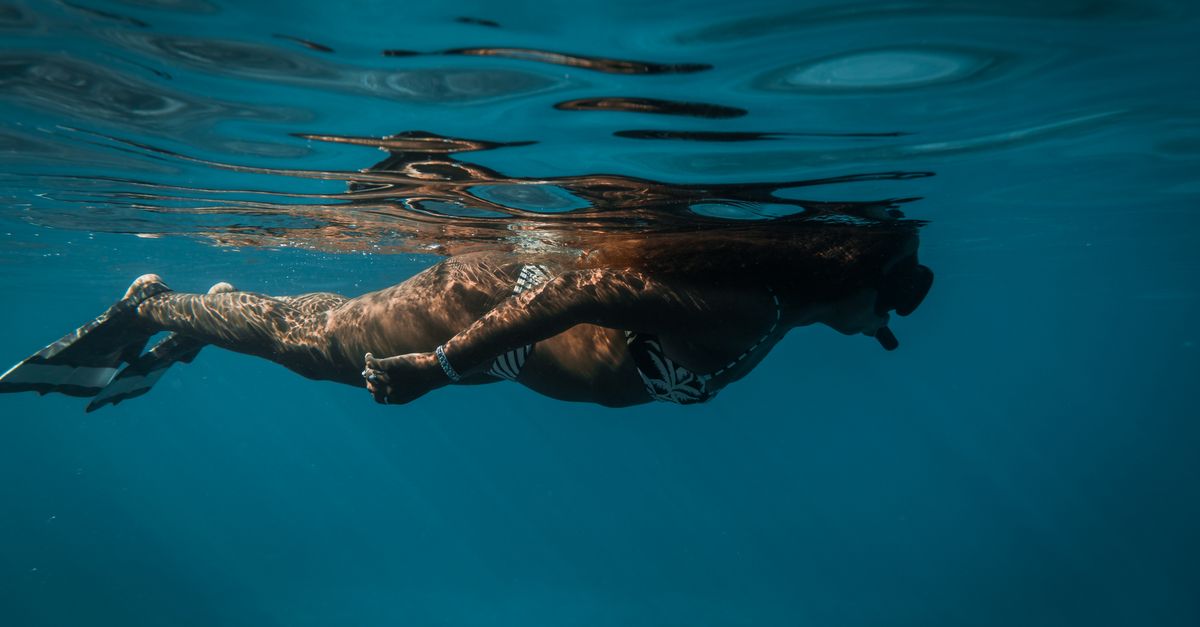
Snorkeling provides an accessible way to explore Anguilla's underwater beauty without certification. Many of the same sites divers visit work perfectly for snorkelers. Sandy Island offers exceptional snorkeling with shallow, clear reefs. Prickly Pear Cays provides multiple snorkel-friendly locations. Island Harbour reef has snorkeling areas in shallow water.
Most hotels and resorts rent snorkeling gear for reasonable daily rates. Bring your own mask and fins if you prefer well-fitted equipment. Rental shops operate throughout the main beach areas. Reef-safe snorkel tours depart from major resorts and beaches. Tours typically last two to three hours.
Snorkelers see many of the same fish and coral formations as divers. You'll observe parrotfish, angelfish, and occasionally sea turtles. The shallow reefs host colorful sponges and sea anemones. Snorkeling allows longer bottom time than scuba without equipment requirements. Children as young as five can snorkel with adult supervision.
Safety considerations matter for snorkelers too. Never snorkel alone. Use the buddy system and watch your snorkeling partner constantly. Wear a brightly colored snorkel vest so boat operators can spot you. Stay within designated snorkel areas marked by tour operators. Apply reef-safe sunscreen before entering the water.
Dive Schools and Operators
Anguilla hosts several established dive operations serving divers of all levels. These operators follow strict safety protocols and environmental standards. They employ certified dive masters with extensive local knowledge. Equipment is well-maintained and regularly inspected. Staff members speak English and provide clear, patient instruction.
Major dive operators maintain locations near popular beaches and resorts. Most offer daily dive trips departing morning and afternoon. Private charter options accommodate divers seeking exclusive experiences. Certification courses run continuously throughout the year. Multi-day dive packages provide discounts for committed divers.
When choosing a dive operator, verify their certifications and safety record. Ask about group size limits to ensure personalized attention. Confirm equipment condition and replacement schedules. Inquire about their marine conservation practices. Read recent reviews from other divers for honest feedback.
Dive operators provide tanks, weights, and regulators as standard inclusions. Bring your own mask, fins, and wetsuit if you have strong preferences. Most operators offer rental equipment for these items at daily rates. Ask about insurance options and cancellation policies. Book dives 24 hours in advance when possible.
What You Will See Underwater

Anguilla's underwater ecosystem teems with colorful fish and impressive coral formations. Brain coral, elkhorn coral, and staghorn coral dominate many reef areas. These corals grow slowly and require protection from careless divers. Avoid touching or stepping on any coral formations. Your respect ensures these ecosystems thrive for future visitors.
Fish species display remarkable variety and vibrant colors. Parrotfish munch on algae and create the sand beaches you walk on. Angelfish move gracefully through coral gardens in striking yellow and blue patterns. Trumpetfish hide among coral branches waiting for small prey. Groupers and snappers gather in deeper sections near drop-offs.
Sea turtles appear occasionally at popular dive sites. These ancient creatures move slowly and gracefully through the water. Maintain distance and observe quietly without touching. Spotted eagle rays glide across sandy bottoms occasionally. Moray eels hide in coral crevices and emerge at night. Octopuses change color and texture to match their surroundings instantly.
Lobsters and crabs scurry across the reef floor at dawn and dusk. Spiny urchins cover themselves with debris for camouflage. Nudibranchs display shocking colors despite their small size. Seahorses cling to seagrass in shallow lagoons. Each dive offers opportunities to spot different species and behaviors.
Wrecks provide artificial reefs attracting concentrated marine life. Fish use wreck structures for shelter and breeding grounds. The wrecks add history and character to your diving experience. Penetration diving into wrecks requires advanced training and certification. Most recreational divers explore wrecks externally rather than entering inside.
PRO TIP: Bring an underwater camera or GoPro to capture your discoveries. Many dive operators rent underwater housings for cameras. Digital images help you remember specific fish and coral species observed.
Best Time To Dive in Anguilla
The best months for Anguilla scuba diving are December through April. These months feature calm seas and excellent visibility. Northeast trade winds blow lighter during this season. Water temperature hovers around 27.8°C, remaining pleasantly warm. Tourist season peaks during these months with many divers visiting.
Winter months (December to February) offer the calmest water and best conditions. January and February provide consistent dive days with minimal cancellations. Temperatures stay warm without becoming excessively hot. North swell remains minimal during these months. Book accommodations and dives in advance during peak season.
March and April transition into warmer conditions with increasing afternoon temperatures. Visibility remains excellent during early mornings. Afternoon winds pick up but usually settle by evening. This shoulder season offers fewer crowds than mid-winter months. Accommodation rates drop slightly compared to peak winter rates.
Summer months (May to November) see increased wave action and reduced visibility. Hurricane season runs June through November with potential for tropical storms. Afternoon thunderstorms develop frequently but pass quickly. Water temperature rises above 28°C creating warm but sometimes murky conditions. Many divers avoid summer months entirely.
If you travel during summer months, expect more cancellations due to weather. Morning dives typically offer better conditions than afternoon sessions. Dive sites on the southern coast provide more shelter during summer swells. Fewer tourists mean smaller group sizes and discounted rates. Choose summer travel only if your schedule lacks flexibility.
Frequently Asked Questions

Do I Need To Be Certified To Scuba Dive in Anguilla?
Yes, PADI or equivalent certification is required for recreational scuba diving. Uncertified visitors can take discovery dives with instructors in shallow water. Open Water certification courses take three days and include classroom, confined water, and ocean training. Bring your certification card when visiting dive operators. Most divers complete certification at home before traveling, saving vacation time.
What Is the Water Temperature in Anguilla for Diving?
Water temperature averages 27.8°C throughout the year, making Anguilla consistently warm. Winter months (December to February) see the coolest temperatures around 25°C. Summer months bring warmest conditions above 28°C. A 3mm wetsuit provides comfort during winter months and sun protection year-round. Summer swimmers often dive in boardshorts and rash guards without additional protection.
How Much Does Scuba Diving Cost in Anguilla?
Pricing varies by operator and dive type, but specific rates depend on current market conditions. Single boat dives typically cost between reasonable daily rates set by individual operators. Certification courses require multi-day commitments with corresponding price points. Resort packages sometimes offer dive discounts bundled with accommodations. Contact operators directly for current pricing and package deals.
Is Anguilla Safe for Diving?
Anguilla maintains excellent safety records with established, professional dive operators. All operators follow international diving standards and maintain equipment regularly. The calm water conditions from December to April reduce hazard exposure. Dive masters possess extensive experience and local knowledge of conditions. Follow your dive master's instructions and dive within your certification level for maximum safety.
Can I Fly After Scuba Diving in Anguilla?
Divers should wait at least 12 hours after their final dive before flying. Most dive operators recommend waiting 24 hours for safety assurance. The reduced cabin pressure on airplanes can cause decompression sickness if nitrogen bubbles remain in your bloodstream. Flying immediately after diving increases health risks significantly. Schedule your last dive at least one day before your departure flight.