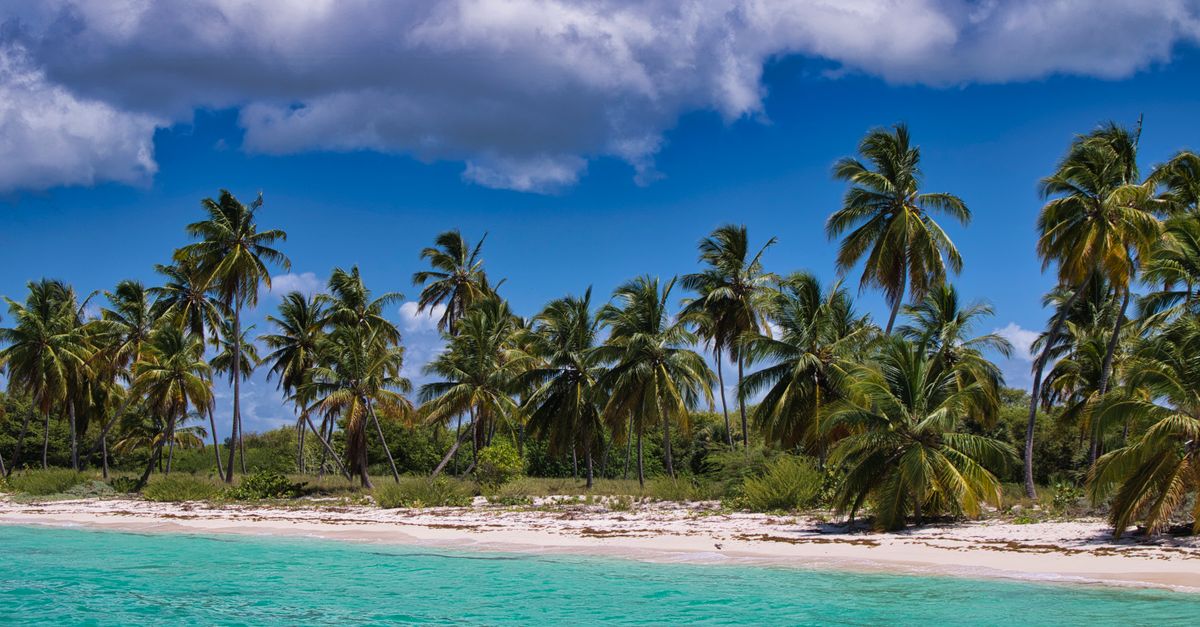
Last updated:
Anguilla Things To Do: an Overview
Anguilla offers visitors endless Anguilla things to do across 91 square kilometers of Caribbean paradise. This British overseas territory in the Lesser Antilles features white sand beaches, vibrant marine life, and welcoming locals. You'll find activities suited for every traveler type here. The island's 16,000 residents speak English, making communication easy. Most international visitors arrive visa free. The best time to visit spans December through April when weather stays perfect.
Whether you're seeking adventure, relaxation, or family fun, Anguilla delivers. The island sits at coordinates 18.2206, -63.0686, positioning it perfectly for water activities. East Caribbean dollars fuel your spending, though USD works almost everywhere. The timezone (America/Anguilla) keeps you close to Eastern Standard Time. Let's explore what makes this island special for different travelers.
Best Beaches in Anguilla
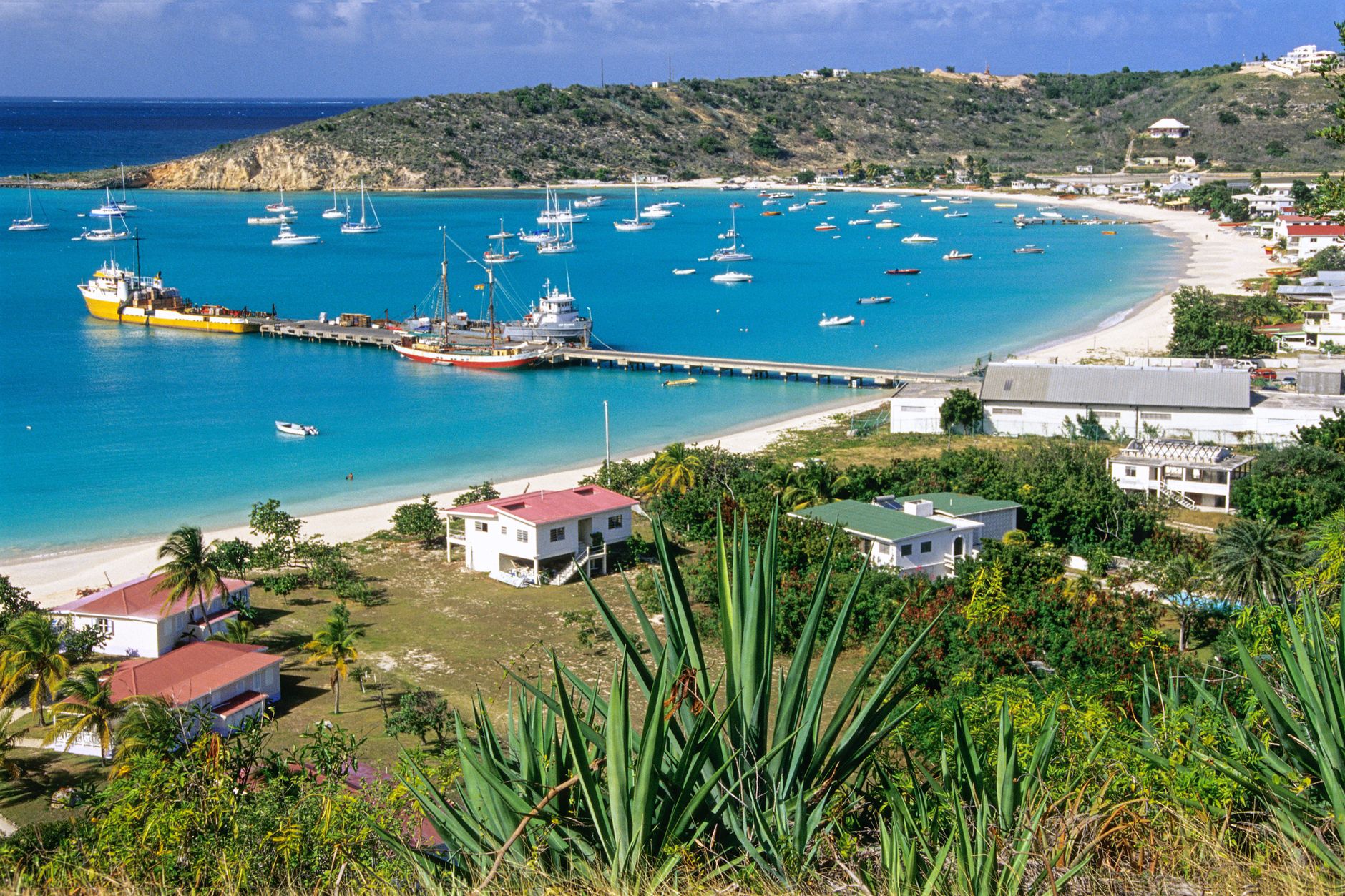
Anguilla boasts 33 beaches, each with distinct character and charm. Most rank among the Caribbean's finest. The sand feels soft underfoot, and water temperatures stay warm year-round. No single beach dominates here. Instead, each offers unique experiences worth exploring.
Shoal Bay East
Shoal Bay East stretches along the island's eastern coast with powdery sand and shallow, calm waters. Families love this beach for its safety and amenities. Beach bars serve food and drinks throughout the day. Water sports operators rent kayaks and paddleboards here. The beach sits about 15 minutes from The Valley by rental car.
Rendezvous Bay
Rendezvous Bay features a crescent of pristine sand with protected waters perfect for swimming. This beach attracts couples seeking romantic settings and peaceful environments. No major development surrounds it, keeping the vibe authentic. You'll find local restaurants nearby in nearby settlements. Snorkeling offshore reveals colorful reef fish and coral formations.
Barnes Bay
Barnes Bay combines excellent snorkeling with beach relaxation along the western shore. Clear waters reveal underwater landscapes just yards from sand. Adventure seekers appreciate the easy reef access without boat trips. The beach remains less crowded than Shoal Bay, offering tranquility. Several beachfront restaurants provide lunch and sunset dining options.
Meads Bay
Meads Bay stretches for a mile with calm, shallow waters ideal for families. The beach slopes gradually, allowing children to wade safely. Water sports facilities operate seasonally along the shore. Solo travelers enjoy the social atmosphere at beach clubs and bars. Sunset views here rank among the island's most spectacular.
PRO TIP: Visit beaches early morning before crowds arrive. Bring reef-safe sunscreen to protect coral ecosystems. Parking fills quickly at popular spots during peak season. Arrive by 9 AM for best spots and parking.
Outdoor Activities in Anguilla
Beyond beaches, Anguilla offers diverse outdoor pursuits. Hiking trails connect settlements and reveal island landscapes. Birdwatching attracts nature enthusiasts year-round. Cave exploration provides geological wonders. Sunset hikes offer moderate exercise with rewarding views.
Hiking and Nature Walks
Island Loop Trail circles Anguilla's perimeter, offering various difficulty levels. Sections take 30 minutes to two hours depending on your fitness. The trail passes hidden beaches, cliffs, and historic sites. Local guides enhance experiences with cultural knowledge. Start early to avoid midday heat and crowds.
Crocus Hill provides the island's highest elevation with panoramic views. The short hike rewards visitors with 360-degree vistas. Clear days reveal neighboring islands and the Atlantic horizon. The trail takes about 45 minutes round-trip. Wear sturdy shoes for rocky terrain and bring water.
Birdwatching
Anguilla hosts migratory and resident bird species year-round. The island's ponds and wetlands attract herons, egrets, and frigatebirds. Prickly Pear Island nearby offers boat trips for dedicated birders. December through April brings northern migrants fleeing cold weather. Early morning provides the best viewing when birds are active.
Cave Exploration
Cavern Hill features limestone caves with archaeological significance. Local guides explore passages and explain geological formation. These caves sheltered Taíno peoples centuries ago. Tours last approximately one hour with moderate difficulty. Wear comfortable shoes and bring a flashlight or headlamp.
PRO TIP: Book hiking guides through your hotel or tourism board. Many trails lack clear signage, making guides essential. Start hikes early before midday heat peaks. Always carry sufficient water, even for short walks.
Water Sports in Anguilla

Anguilla's waters support excellent water sports and marine activities. The island features scuba diving at numerous reef sites. Snorkeling opportunities exist at nearly every beach. Windsurfing conditions excel during certain seasons. Fishing charters catch wahoo, mahi, and grouper regularly.
Scuba Diving
Anguilla's reefs host healthy coral and abundant marine life. The island has scuba diving infrastructure with professional dive shops. Popular sites include The Prickly Pear, Dog Island Reef, and Sandy Island. Water visibility typically exceeds 100 feet on clear days. Depths range from 30 to 80 feet depending on site selection.
Several dive operators maintain boats and safety equipment to professional standards. Many shops offer certification courses for beginners. Guided dives last approximately two to three hours including surface intervals. Experienced divers appreciate the diversity of reef formations and species encounters. Night dives reveal nocturnal creatures invisible during daylight hours.
Snorkeling
Snorkeling requires minimal equipment and training compared to scuba. Reef snorkeling begins just offshore at many beaches. Shoal Bay East offers excellent snorkeling within minutes of shore entry. Island hopping snorkel tours visit multiple reefs in single outings. Equipment rentals are available at beach shops island-wide.
Beginner snorkelers should start in shallow, protected bays. Barnes Bay provides easy access to healthy coral formations. Intermediate snorkelers explore deeper reefs with boat assistance. Sea turtles, eagle rays, and reef fish populate most sites. Bring reef-safe sunscreen to protect delicate coral ecosystems.
Windsurfing and Kitesurfing
Seasonal winds make Anguilla suitable for wind-powered sports. Conditions peak from December through March. Junks Hole and Island Harbour welcome experienced riders. Several shops offer board rentals and instruction. Beginners benefit from lesson packages that include equipment and guidance.
Fishing Charters
Deep-sea fishing charters depart daily during peak season. Captains target wahoo, mahi-mahi, yellowfin tuna, and grouper. Half-day charters last approximately four hours. Full-day trips extend eight hours or longer. Most boats accommodate four to six anglers plus crew. The fishing experience combines sport with culinary reward as many restaurants cook your catch.
PRO TIP: Book water sports in advance during December-April peak season. Bring polarized sunglasses to reduce water glare during snorkeling. Apply waterproof sunscreen frequently as reflection intensifies UV exposure. Respect marine protected areas and follow guide instructions carefully.
Things To Do in Anguilla at Night
Anguilla's nightlife combines beachfront dining, live music, and relaxed Caribbean culture. The island lacks large nightclubs but offers authentic social experiences. Restaurants become lively gathering spots after sunset. Local bands perform at various venues weekly.
Beachfront Dining and Sunset Watching
Meads Bay attracts sunset watchers with its western exposure and restaurant concentration. Diners enjoy fresh seafood while watching the sun descend over water. Blanchards Restaurant offers sophisticated cuisine and romantic ambiance. Jacala Restaurant specializes in French-Caribbean fusion cuisine. Reservations become essential during peak season.
The Quarter at Island Harbour features multiple dining options in one location. Sunset Happy Hour specials attract both visitors and locals. Fresh fish arrives daily at these establishments. Casual atmosphere encourages mingling and conversation. Couples appreciate the romantic seaside setting while solo travelers enjoy the social vibe.
Live Music and Entertainment
Local musicians perform reggae, calypso, and Caribbean music nightly at various venues. Hotels often host live bands in their bars and restaurants. The Barrel Stay Jazz Club features live performances on weekends. Sandy Island has seasonal beach parties with live DJ entertainment. Entertainment varies seasonally with more events during winter months.
Beach Bars and Casual Dining
Scilly Cay Island sits just offshore and hosts a famous beach bar. A small boat ferry transports guests between Scilly Cay and Island Harbour. The bar serves fresh seafood and cold beverages in casual settings. Swimming and snorkeling happen around the island. Sunsets here rank among the island's most memorable.
Gwen's Reggae Grill offers beachfront dining with laid-back Caribbean vibes. The menu features local fish, lobster, and traditional dishes. Live music plays several nights weekly. Casual dress suits the atmosphere perfectly. Families with children enjoy earlier hours while couples prefer evening visits.
PRO TIP: Make dinner reservations well in advance during December-April season. Many restaurants close on certain days weekly, so check schedules. Sunset dining requires early arrival for good seating. Tipping 15-18% is customary though gratuity may be included in bills.
Things To Do in Anguilla With Kids

Anguilla welcomes families with safe, engaging activities suitable for children. Beaches provide natural play areas with calm waters. Cultural experiences teach kids about Caribbean heritage. Wildlife encounters create lasting memories.
Beach Days and Water Play
Shoal Bay East remains the safest beach for young swimmers. Shallow, calm waters allow children to wade confidently. Lifeguards patrol during peak season providing additional safety. Several beach clubs offer kids' activities and programs. Sand is ideal for building castles and creating art projects.
Rendezvous Bay provides a gentler slope for toddlers and young children. The protected water rarely features strong currents or waves. Families can relax while children play safely nearby. Snorkeling in calm shallow water introduces kids to marine life. Bring floaties and snorkel gear sized for children.
Snorkeling and Marine Life
Island snorkel tours accommodate families with young children. Boats stay in shallow areas with calm conditions. Kids encounter colorful fish, sea turtles, and coral formations. Professional guides ensure safety and educational experiences. Morning tours work best when children have energy and patience.
Island History and Culture
The Museum of Anguilla houses artifacts and displays explaining local history. Interactive exhibits engage children with cultural information. Staff members answer questions patiently and thoroughly. Hours vary seasonally so call ahead before visiting. Admission fees remain affordable for families.
Hiking for Families
Crocus Hill provides short, manageable hikes for families with older children. The trail offers rewarding views without extreme difficulty. Bring plenty of water and take rest breaks. Island Loop Trail sections allow flexible distances based on fitness levels. Early morning starts help avoid afternoon heat and sun.
PRO TIP: Visit beaches early morning when crowds are minimal and children tire less quickly. Pack snacks and water as few facilities exist on remote beaches. Apply sunscreen every 30 minutes for delicate skin. Many restaurants accommodate dietary restrictions if you call ahead.
Free Things To Do in Anguilla
Anguilla offers numerous free or low-cost activities requiring minimal spending. Beaches require no entrance fees at all locations. Walking and hiking trails are free to access. Cultural events often happen without charge year-round.
Beach Exploration and Swimming
All 33 beaches welcome visitors free of charge. Park your rental car and enjoy full days without expenses. Swimming, wading, and sunbathing cost nothing. Bring your own snorkel gear to save rental fees. Pack lunches instead of buying restaurant meals at premium beach prices.
Hiking and Nature Walks
Island Loop Trail sections can be hiked completely free. Park responsibly near trailheads and start early. Crocus Hill hike requires no fees or permits. Birdwatching from public beaches costs nothing. Photography enthusiasts capture stunning landscapes without charges.
Cultural Events and Festivals
Anguilla Day celebrations in May feature parades and cultural performances. Many events happen in public spaces and are free to attend. Local festivals showcase music, dance, and traditional food. Tourist board websites list upcoming events and schedules. Hotels provide information about what's happening during your visit.
Walking Tours of Settlements
The Valley, Anguilla's capital, features historic architecture worth exploring. Walking the downtown area costs nothing. Local artisans display work at public markets during season. Historical plaques explain buildings and their significance. Restaurants offer affordable local food options.
Sunset Watching
Every beach offers spectacular sunsets without entry fees. Meads Bay provides arguably the island's finest sunsets. Arrive early to claim good vantage points. Bring chairs or blankets for comfortable viewing. Photography enthusiasts find countless composition opportunities daily.
PRO TIP: Pack your own snorkel gear to save rental fees. Bring groceries from The Valley instead of eating all meals out. Visit beaches during off-peak hours to find free parking. Check tourism board websites for free events during your visit dates.
Day Trips From Anguilla

Nearby islands offer distinct experiences accessible via boat from Anguilla. Most trips depart in morning and return by evening. Ferry services and charter boats provide transportation. These excursions expand your Caribbean experience beyond Anguilla's borders.
Prickly Pear Island
Prickly Pear sits just offshore and hosts pristine beaches and snorkeling. Day trip boats depart from Island Harbour. The journey takes approximately 20 minutes. Two beaches flank a narrow isthmus on the island. Snorkeling along the reef reveals abundant marine life close to shore.
A small beach bar serves drinks and light food. Swimming in clear, shallow water is excellent here. Sea turtles frequent these waters seasonally. Photography enthusiasts find stunning composition opportunities. The island has no permanent residents or development.
Sandy Island
Sandy Island lies off Anguilla's northwest coast accessible by private boat or charter. White sand beaches and calm turquoise water define this spot. A seasonal beach bar operates during peak months. The island measures less than a half-mile across. Snorkeling surrounds the entire island with healthy coral nearby.
Most visitors spend half-days here combining snorkeling with beach relaxation. The shallow water suits families with children. Arrive early before afternoon crowds build. The island has no shade, so bring umbrellas or tents. Swimming and snorkeling dominate activities here.
Saint Martin/sint Maarten
Saint Martin lies about 20 kilometers southeast, accessible by ferry or small plane. The ferry takes approximately 25 minutes each direction. This French and Dutch island offers distinct cultural experiences. Philipsburg and Marigot host shopping, dining, and entertainment venues. Beaches here differ from Anguilla's style with more development and activity.
Day trip visitors enjoy duty-free shopping and international cuisine. The island's larger airport offers more restaurant and shopping choices. Cultural museums explain colonial history and local heritage. Some travelers extend stays to experience both islands thoroughly. Ferry costs are modest, typically under $50 round trip.
Barbuda
Barbuda sits about 50 kilometers south, accessible by chartered boat or small aircraft. The journey requires more planning than closer islands. This less-developed island features pristine beaches and unique pink sand. Codrington Lagoon hosts numerous bird species. Wildlife sanctuaries protect indigenous populations.
Day trips typically involve early departures and extended travel times. Most visitors find overnight stays worthwhile for proper exploration. Lodging options remain limited but charming. The island's remote location provides authentic Caribbean experiences. Few tourists arrive daily, keeping the vibe genuinely local.
PRO TIP: Book day trips in advance during peak season to secure spots. Bring motion sickness medication if you're prone to seasickness. Pack extra sunscreen as reef reflection intensifies UV exposure. Bring waterproof bags for phones and valuables during boat transfers.
Frequently Asked Questions
What Is the Best Time To Visit Anguilla for Activities?
December through April offers the best weather for outdoor Anguilla things to do. Temperatures average 27.8°C with minimal rainfall during this period. Trade winds provide comfortable conditions for water sports. This season brings the most visitors and event programming. Prices peak during winter months (December-February). May through November experiences hurricane season with occasional storms and heat. Many establishments close seasonally June through October, limiting entertainment options.
Do I Need a Visa To Visit Anguilla?
Most international visitors enter Anguilla visa free. As a British overseas territory, entry rules follow UK standards. Visitors require valid passports but not advance visa applications. Citizens of most developed nations receive 90-day visitor status automatically. Check specific requirements with your government before traveling. Some nationalities require visas, so verify your status early. Immigration officials may request return ticket proof and accommodation details.
What Water Sports Require Prior Experience in Anguilla?
Scuba diving requires certification, though operators offer beginner courses for first-timers. Windsurfing and kitesurfing benefit from prior experience due to water conditions. Snorkeling requires no experience, making it accessible to everyone. Fishing charters welcome beginners and experienced anglers equally. Many operators provide instruction and equipment included in package pricing. Water conditions can change daily, affecting activity difficulty levels and recommendations.
Are Anguilla's Beaches Safe for Families With Young Children?
Yes, Anguilla's beaches are among the Caribbean's safest for families. Shoal Bay East features calm waters and lifeguard presence during season. Rendezvous Bay provides gentle slopes ideal for toddlers. Crime affecting tourists remains extremely rare across the island. Lifeguard coverage varies seasonally with reduced presence May through November. Supervise children closely regardless of safety records. Sun exposure poses the greatest risk, requiring frequent sunscreen reapplication.
What Currency Should I Bring To Anguilla?
The official currency is the East Caribbean dollar (XCD), though USD works almost everywhere. Most restaurants, hotels, and shops accept USD directly. Exchange rates slightly favor using local currency for large purchases. ATMs distribute East Caribbean dollars from accounts. Credit cards are widely accepted but small businesses may require cash. Bring some USD cash for convenience. Traveler's checks are rarely used or accepted anymore on the island.